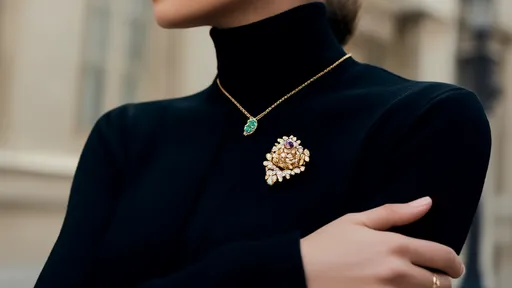
In the delicate dance of adorning oneself with jewelry while dressing, the age-old question persists: should one fasten the necklace before slipping into the garment, or after? This seemingly simple query unravels into a nuanced discussion that intertwines practicality, preservation, and personal ritual. For many, the sequence might appear trivial, but for those who cherish their fine jewelry and expensive attire, it is a matter worthy of thoughtful consideration.
The act of dressing and accessorizing is deeply personal, often reflecting individual habits, cultural backgrounds, and even superstitious beliefs. Some swear by the method of putting on jewelry first to avoid any potential snagging on clothing, while others firmly believe that dressing should take precedence to keep necklaces clean and secure. There is no universal decree, but understanding the reasoning behind each approach can empower one to make an informed choice that best suits their wardrobe and lifestyle.
Advocates for donning the necklace before the clothing often cite the primary advantage of minimizing contact between the jewelry and the fabric. Delicate chains, intricate clasps, or pendants with protruding elements can easily catch on threads, lace, or even the weave of the garment itself. This is particularly true for pieces with sharp edges, open links, or those designed with elaborate details. By securing the necklace against bare skin first, one reduces the risk of it hooking onto the clothing during the dressing process, which could lead to pulled threads, broken chains, or even damage to the garment's neckline.
This pre-dressing method also allows for easier fastening of the clasp. Without fabric in the way, fingers can nimbly work the mechanism, whether it's a delicate lobster claw, a stubborn spring ring, or a custom clasp. This is especially beneficial for those with less dexterity or longer nails that might struggle with tiny components hidden under cloth. Furthermore, placing the necklace first ensures it sits correctly against the collarbones or décolletage, allowing the wearer to adjust its position perfectly before any fabric might displace it.
On the flip side, proponents of putting on the clothing before the necklace argue that this sequence offers superior protection for the jewelry itself. Garments, especially those made from coarse materials like wool or embellished with sequins, beads, or rough zippers, can act like sandpaper against precious metals and stones. Dragging a gold chain over a textured sweater during dressing might scratch its surface, while diamonds could potentially snag and loosen prongs if caught on a stubborn thread. Dressing first creates a barrier, allowing the jewelry to be placed over a smooth surface, thus shielding it from abrasive contact.
This method also helps in keeping the necklace cleaner. Clothing can harbor residues from detergents, perfumes, or natural skin oils that might transfer onto the jewelry, dulling its shine over time. By putting on the clothes first, the necklace avoids prolonged contact with these substances during the dressing process. Additionally, for outfits with high necklines or complex closures, attempting to put a necklace on afterwards ensures it won’t be hidden or distorted by the fabric, allowing the wearer to see exactly how it will lay once fully dressed.
Beyond the binary choice, several factors can influence the ideal sequence. The type of necklace plays a crucial role. A simple, smooth chain with a secure clasp might be safe to put on after a shirt, while a vintage piece with a fragile catch or a statement necklace with numerous edges might demand priority. Similarly, the nature of the clothing is paramount. A silk blouse or a fine knit requires more caution than a cotton t-shirt. Outfits with buttons, zippers, or hooks at the back necessitate careful maneuvering to avoid entrapment.
Personal comfort and routine cannot be overlooked. Some find it logistically easier to handle necklaces without sleeves or layers getting in the way, while others prefer the finality of adding jewelry as the finishing touch to their ensemble. There’s also a psychological element; for many, the act of clasping a necklace is the last step in transforming into their dressed self, a ritual that holds its own significance.
Regardless of the chosen order, several universal tips can help prevent tangles and damage. Always ensure clasps are fully closed before proceeding to dress or move on. When putting on garments over the head, gather the material and pull it on carefully, avoiding a swift motion that could whip the fabric against the jewelry. For button-up shirts or jackets, it’s often safest to put the necklace on last after the clothing is fully secured. Regularly inspect both jewelry and clothing for any loose threads, rough edges, or damaged clasps that could pose a risk.
Storage practices also play a vital role in prevention. Necklaces should be stored flat, individually, or hung to avoid knots that can lead to frantic untangling sessions—a process where jewelry is most vulnerable to damage from impatient pulling. Before dressing, laying out both the outfit and the intended jewelry can provide a moment to assess potential conflicts and decide on the best order of operations.
In the grand scheme of style, the question of necklace versus clothing order is a small but meaningful detail. It speaks to a broader philosophy of caring for one’s possessions and honoring the craftsmanship in both fashion and jewelry design. There is no single correct answer, but rather a spectrum of sensible practices tailored to the specific items and the wearer’s preferences. The true secret lies in mindfulness—moving with intention and grace, whether fastening a clasp on bare skin or letting a chain fall perfectly into place over a finished outfit. This attentiveness not only preserves the beauty of your treasures but also turns the daily act of dressing into a more deliberate and enjoyable ritual.

By /Aug 27, 2025

By /Aug 27, 2025
By /Aug 27, 2025

By /Aug 27, 2025
By /Aug 27, 2025

By /Aug 27, 2025

By /Aug 27, 2025
By /Aug 27, 2025
By /Aug 27, 2025
By /Aug 27, 2025
By /Aug 27, 2025

By /Aug 27, 2025
By /Aug 27, 2025
By /Aug 27, 2025

By /Aug 27, 2025
By /Aug 27, 2025
By /Aug 27, 2025

By /Aug 27, 2025
By /Aug 27, 2025

By /Aug 27, 2025
