In the ever-evolving landscape of fashion, a quiet revolution is reshaping the contours of men's jewelry. The concept of unisex design has moved from niche trend to mainstream movement, challenging long-held notions of masculinity and femininity in adornment. No longer confined by rigid gender binaries, contemporary men's jewelry embraces a fluid aesthetic that celebrates individuality over convention. This shift isn't merely about marketing—it's a cultural reckoning with how we express identity through what we wear.
The traditional boundaries that once dictated men's jewelry—thicker chains, darker stones, minimalist designs—are dissolving into a more expressive and nuanced vocabulary. Designers are increasingly drawing from a universal visual language where strength doesn't preclude delicacy, and boldness coexists with subtlety. The result is a collection of pieces that feel both timeless and strikingly modern, appealing to anyone regardless of gender who appreciates craftsmanship and meaning in their accessories.
At the heart of this transformation lies the reinterpretation of lines and forms. Where men's jewelry once favored straight edges and angular geometries, we now see an embrace of organic curves and flowing silhouettes. The sharp distinction between "masculine" and "feminine" lines has blurred into irrelevance. A signet ring might feature softly rounded edges that cradle the finger with unexpected grace. A pendant may combine strong architectural elements with gentle, wave-like motions in its metalwork. These designs speak to a more complete human experience—one where strength and sensitivity are not opposites but complementary qualities.
This evolution in form is particularly evident in chain designs. While the classic curb link remains popular, we're seeing increased interest in more intricate patterns like the Byzantine or Singapore chains that play with light and shadow through their complex three-dimensional structures. These designs create visual interest without relying on traditionally gendered aesthetics. The weight and drape of these chains feel substantial yet fluid, moving with the body in ways that challenge old stereotypes about how men's jewelry should behave.
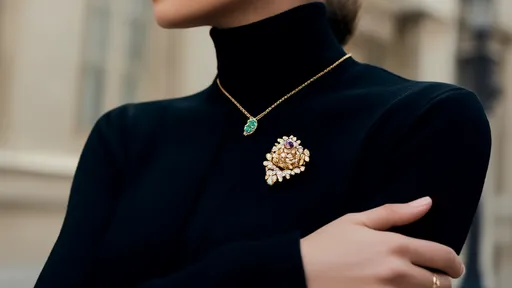
Gemstones in men's jewelry have undergone perhaps the most dramatic transformation. The old rules that limited men to dark sapphires, black diamonds, or opaque stones have been discarded in favor of a more expansive and colorful palette. Designers are embracing everything from the deep violet of amethyst to the fiery warmth of garnet, the tranquil blue of aquamarine to the mysterious shimmer of moonstone. What matters now isn't the color's traditional gender associations but how it interacts with the wearer's personality and style.
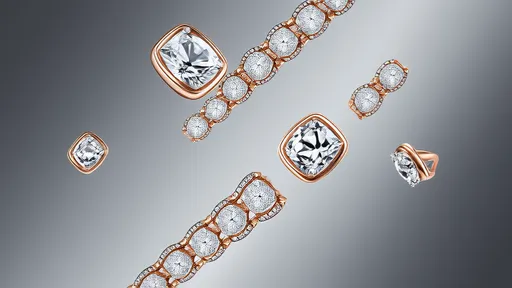
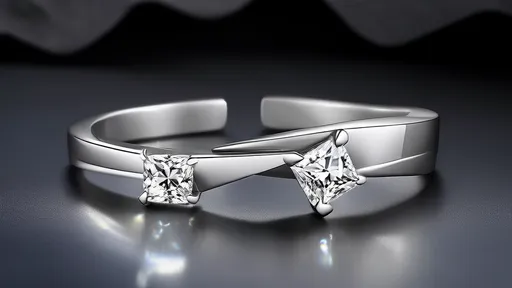
The cutting and setting of these stones has evolved alongside their color spectrum. Rather than always opting for heavy, protective bezels or masculine square cuts, jewelers are experimenting with more delicate prong settings that allow greater light penetration and brilliance. Oval and pear-shaped cuts are appearing alongside the expected emerald and asscher cuts, creating visual interest through their unique faceting patterns. These choices reflect a growing recognition that appreciation for a stone's inherent beauty transcends gender.
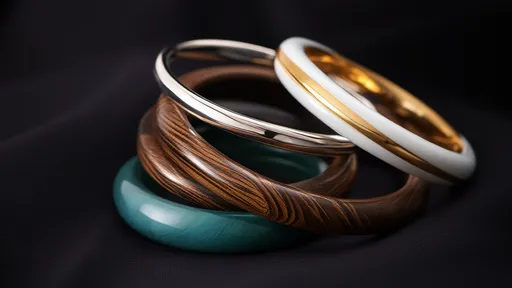
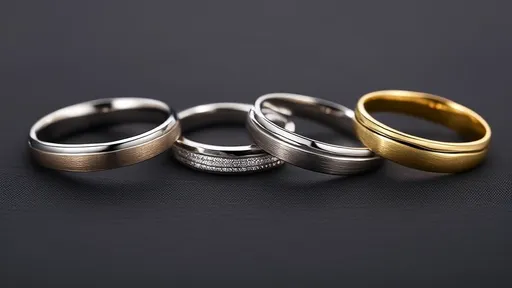
Materials themselves are being reimagined in this new context. While traditional metals like gold, platinum, and sterling silver remain staples, we're seeing innovative combinations that challenge conventional expectations. Rose gold—once considered exclusively feminine—now appears in men's designs, often paired with darker materials like blackened steel or ebony wood for contrast. The mixing of textures—high polish with hammered finishes, smooth surfaces with intricate engravings—creates pieces that engage multiple senses and defy simple categorization.
Perhaps the most significant development in unisex men's jewelry is the renewed emphasis on personal meaning over prescribed symbolism. Where men's jewelry was once limited to functional items like cufflinks or symbolic pieces like class rings, today's designs often carry deeper personal significance. Talismanic pieces that incorporate symbolic elements from various cultures, birthstones arranged in custom patterns, or heirlooms reimagined for contemporary wear—all speak to a desire for jewelry that tells a personal story rather than conforming to external expectations.
The cultural drivers behind this shift are as complex as the designs themselves. Changing attitudes toward gender identity, the influence of global styles through digital connectivity, and the breaking down of fashion boundaries by celebrities and influencers have all contributed to this new landscape. Social media platforms have created spaces where men share their jewelry choices without fear of judgment, creating communities around appreciation rather than prescription. This democratization of style has empowered individuals to curate their own aesthetic language.
Luxury houses and independent designers alike are responding to this cultural moment with collections that explicitly reject gender binaries. Major brands that once maintained separate men's and women's lines are now creating unified collections where the same pieces appear on models of different genders. This isn't merely a marketing strategy but a genuine reflection of how people actually wear jewelry today. The focus has shifted from who should wear what to how pieces make the wearer feel.
The retail experience is transforming to accommodate this new approach. Rather than segregating jewelry by gender, progressive retailers are organizing pieces by style, material, or designer. Sales associates receive training to help customers find pieces that resonate with their personal style rather than their gender identity. This creates a more inclusive shopping experience that focuses on individual expression rather than predetermined categories.
Looking forward, the movement toward gender-fluid design in men's jewelry shows no signs of slowing. As conversations around gender continue to evolve in society at large, jewelry design will likely become even more experimental and inclusive. We can expect to see more innovative material combinations, bolder use of colored gems, and increasingly architectural forms that challenge our perceptions of what jewelry can be. The very notion of "men's jewelry" may eventually become obsolete, replaced by simply "jewelry" that anyone can wear according to their personal taste.
This evolution represents more than just a change in fashion—it reflects a broader cultural shift toward authenticity and self-expression. In breaking down the rigid boundaries of gendered design, jewelry becomes a medium for telling more complex, authentic stories about who we are. The pieces we choose become extensions of our identities rather than performances of masculinity or femininity. In the end, the most significant trend in men's jewelry isn't a particular stone or style, but the freedom to choose without limitation.
The conversation around men's jewelry has fundamentally changed. Where once the question was "what should a man wear?," it has become "what does this piece mean to you?" This shift from external validation to internal resonance represents the true breakthrough of unisex design. The lines and stones themselves haven't changed as much as our relationship to them—and in that transformation, we find not just new ways to accessorize, but new ways to understand ourselves.
By /Aug 27, 2025
By /Aug 27, 2025
By /Aug 27, 2025

By /Aug 27, 2025
By /Aug 27, 2025
By /Aug 27, 2025

By /Aug 27, 2025
By /Aug 27, 2025
By /Aug 27, 2025
By /Aug 27, 2025
By /Aug 27, 2025
By /Aug 27, 2025
By /Aug 27, 2025
By /Aug 27, 2025
By /Aug 27, 2025
By /Aug 27, 2025
By /Aug 27, 2025
By /Aug 27, 2025
By /Aug 27, 2025
By /Aug 27, 2025
