When selecting an engagement ring meant to last a lifetime, durability is a paramount concern. The choice of metal and setting plays a crucial role in how well a ring stands up to daily wear. Over time, rings are subjected to bumps, scratches, chemicals, and constant exposure, making it essential to choose materials and designs that prioritize resilience. While aesthetics and symbolism are important, a ring that requires frequent maintenance or shows significant wear too soon can become a source of frustration rather than joy.
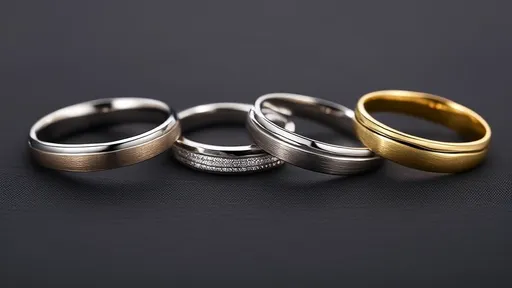
Among the popular metals used for engagement rings, platinum consistently ranks at the top for durability. This prestigious metal is incredibly dense and resistant to tarnish and corrosion. Unlike other white metals that are often alloys coated with a thin layer of rhodium, platinum is naturally white and does not require re-plating. Its most notable characteristic regarding wear is how it handles scratches. Rather than losing metal, platinum develops a patina—a soft, lustrous sheen that many owners cherish as a sign of a well-loved, enduring piece. This makes it an exceptionally low-maintenance and worry-free choice for daily wear.
Close behind is palladium, a member of the platinum group metals. It shares many of platinum's desirable qualities, including natural whiteness, hypoallergenic properties, and remarkable resistance to tarnish. Palladium is lighter in weight than platinum but still boasts impressive strength and durability. It is less likely to crack or become brittle, making it an excellent alternative for those seeking the look and resilience of platinum at a often more accessible price point. Its ability to withstand the rigors of everyday life makes it a top contender for a hassle-free ring.
For those who favor the classic appeal of yellow or rose gold, the key to durability lies in the karat weight. 14-karat gold offers a superior balance of beauty and strength. The higher the karat (like 18k or 22k), the purer the gold content and, consequently, the softer and more prone to scratching and denting the metal becomes. 14-karat gold is alloyed with harder metals like copper, zinc, or silver, significantly increasing its hardness and resistance to daily abrasion. While it will still acquire fine scratches over time, its robust nature means it will better hold its shape and secure its stones for decades.
When discussing durable metals, tungsten carbide and titanium must be mentioned for their extreme scratch resistance. These metals are incredibly hard and are virtually impervious to surface scratches from everyday activities. However, their extreme hardness comes with a trade-off: they cannot be resized by a traditional jeweler. For someone with a settled ring size and a very active lifestyle, they represent a highly durable, modern option, though their application is typically more common in men's wedding bands than in intricate engagement ring settings.
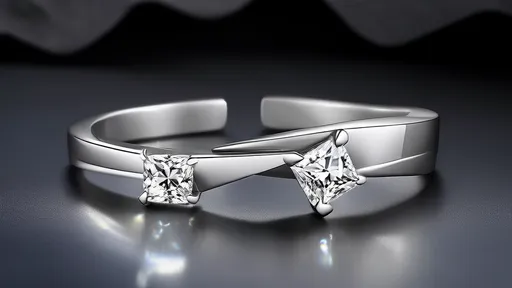
The metal choice is only half the battle for a low-maintenance ring; the setting style is equally critical. A high setting that lifts the center stone prominently above the band, such as a classic prong or Tiffany setting, exposes the stone and its prongs to more direct impacts. These can snag on clothing and are more susceptible to being knocked against surfaces, potentially loosening the stone or bending the prongs over time.
For ultimate peace of mind, a bezel setting is arguably the most secure and durable option. In this design, a thin rim of metal fully or partially encircles the diamond or gemstone, holding it snugly in place. This protects the stone's girdle (its outermost edge) and its culet (the bottom point) from chips and cracks. Because the stone is nestled within the metal, it presents a smooth, low profile that is far less likely to catch on anything. This setting significantly reduces the risk of damage and is ideal for those with hands-on professions or active hobbies.
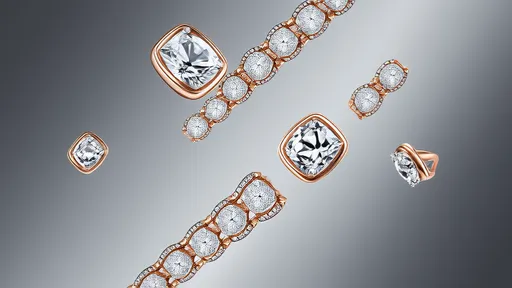
Another robust setting is the channel setting, often used for accent stones or full eternity bands. Here, stones are set side-by-side within a channel carved into the shank of the ring, with no metal divisions between them. The outer walls of the channel protect the edges of the gems, making it very secure and presenting a smooth, continuous surface that is highly resistant to snagging and impact. While typically used for smaller stones alongside a main centerpiece, its durability is unmatched for protecting melee diamonds.
The flush setting (or gypsy setting) is another champion of durability, though less common in engagement rings. The stone is set into a hole drilled into the band, so its table (top surface) sits level with the surrounding metal. This creates an incredibly smooth, snag-free surface that offers superb protection to the stone. It's a popular choice for men's rings or for those who prioritize minimalism and supreme practicality in their jewelry.
It is also wise to consider the width and thickness of the shank. A very thin band, while dainty and fashionable, is structurally weaker and more prone to bending or warping over years of wear. A shank that is at least 1.8mm to 2mm wide and thick provides a much sturdier foundation for the entire ring, ensuring it maintains its circular shape and continues to securely hold any set stones. Compromising on shank dimensions for aesthetics can lead to increased maintenance and repair needs down the line.
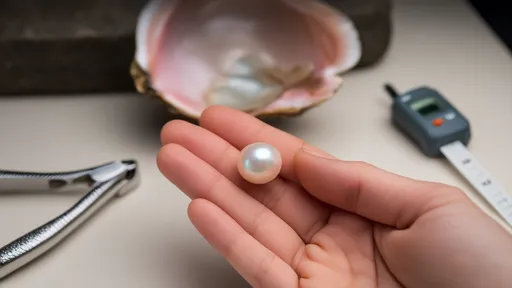
Finally, the choice of stone hardness plays an indirect but vital role in the ring's overall longevity. Diamonds, being the hardest natural material on earth (rating a 10 on the Mohs scale), are exceptionally resistant to scratching. Softer gemstones like emeralds, opals, or pearls, while beautiful, are far more vulnerable to surface damage from daily abrasion. Choosing a harder center stone means one less thing to worry about, complementing the durability of the metal and setting you've selected.
In conclusion, the most durable and low-maintenance engagement ring combines a resilient metal like platinum, palladium, or 14-karat gold with a protective setting such as a bezel or channel. Paying attention to the structural details like shank width and opting for a hard gemstone like a diamond will further ensure the ring remains as beautiful and secure on your 50th anniversary as it was on the day of your engagement. This thoughtful approach to selection prioritizes longevity, allowing the symbolism of the ring to shine through without being dimmed by the worries of wear and tear.
By /Aug 27, 2025

By /Aug 27, 2025
By /Aug 27, 2025

By /Aug 27, 2025
By /Aug 27, 2025
By /Aug 27, 2025

By /Aug 27, 2025
By /Aug 27, 2025
By /Aug 27, 2025
By /Aug 27, 2025
By /Aug 27, 2025
By /Aug 27, 2025
By /Aug 27, 2025
By /Aug 27, 2025
By /Aug 27, 2025
By /Aug 27, 2025
By /Aug 27, 2025
By /Aug 27, 2025
By /Aug 27, 2025
By /Aug 27, 2025
