A Blessing for Sensitive Skin: Comprehensive List of Hypoallergenic Metal Materials and Their Principles

Aug 27, 2025 By

For those with sensitive skin, the quest for jewelry and accessories that don't cause irritation can feel endless. The itching, redness, and discomfort that often follow wearing certain metals are all too familiar. However, understanding which metals are hypoallergenic and why they are less likely to cause reactions can transform this frustrating search into an informed and successful one. This guide delves deep into the world of low-allergenic metal materials, explaining their properties, benefits, and the science behind their skin-friendly nature.

Hypoallergenic metals are those that have a very low potential to cause allergic reactions. They are typically pure, non-reactive, and do not contain common allergens like nickel, which is a frequent culprit behind contact dermatitis. Nickel is often used in alloys to add strength and durability, but it is also a well-known irritant for many people. When sweat or moisture comes into contact with nickel-containing jewelry, it can cause the metal to leach ions that penetrate the skin and trigger an immune response. This is why opting for metals that are inherently nickel-free or have minimal nickel content is crucial for sensitive skin.

One of the most recommended hypoallergenic metals is titanium. Known for its exceptional durability and lightweight properties, titanium is also highly biocompatible. This means it is rarely rejected by the human body, making it a popular choice not only for jewelry but also for medical implants like joint replacements and pacemakers. Titanium forms a protective oxide layer when exposed to air, which prevents corrosion and reduces the likelihood of metal ions interacting with the skin. Its inert nature ensures that it does not react with bodily fluids, making it an ideal option for those with extreme sensitivities or even for fresh piercings.

Another excellent choice is niobium, a metal that shares many properties with titanium. Like titanium, niobium is highly resistant to corrosion and does not contain nickel or other common allergens. It is often used in jewelry making because it can be anodized to create a vibrant array of colors without using paints or coatings that might irritate the skin. The anodization process thickens the natural oxide layer on the metal's surface, enhancing its durability and hypoallergenic qualities. Niobium is so safe that it is frequently used in medical devices and is recommended by dermatologists for individuals with metal allergies.

Platinum is a premium hypoallergenic metal that is both luxurious and safe for sensitive skin. It is a naturally white metal that does not tarnish or corrode, and it is often used in its pure form or in high-quality alloys with other hypoallergenic metals like iridium or ruthenium. Platinum's density and purity make it exceptionally long-lasting and resistant to wear. Because it does not react with air or water, it remains inert on the skin, preventing allergic reactions. While platinum jewelry can be more expensive, its durability and hypoallergenic properties make it a worthwhile investment for those who struggle with skin sensitivities.

Palladium, a member of the platinum group metals, is another fantastic option. It is lightweight, durable, and naturally hypoallergenic. Palladium is often used as a standalone metal or as a component in white gold alloys to replace nickel. Its ability to resist tarnish and corrosion, combined with its brilliant white luster, makes it a popular choice for engagement rings and other fine jewelry. Like platinum, palladium does not require plating to maintain its appearance, which means there is no risk of the plating wearing off and exposing the skin to potential allergens.

For those who prefer the classic look of gold, high-karat yellow gold (18k or higher) is generally a safe bet. Pure gold (24k) is too soft for everyday jewelry, so it is often alloyed with other metals to increase its strength. However, lower-karat gold (14k or below) frequently contains nickel or copper, which can cause reactions. In higher-karat gold, the percentage of pure gold is greater, and the alloy metals are typically hypoallergenic, such as silver or palladium. It is important to note that white gold is often plated with rhodium to enhance its whiteness, but this plating can wear off over time, potentially exposing the skin to underlying alloys. Therefore, unplated white gold made with palladium instead of nickel is a better choice for sensitive skin.

Sterling silver is another metal that is often considered hypoallergenic, but with some caveats. Pure silver is too soft for most jewelry, so it is usually alloyed with copper to create sterling silver (92.5% silver, 7.5% copper). While pure silver is inert, copper can sometimes cause reactions in very sensitive individuals. To mitigate this, many jewelers offer sterling silver that is coated with a thin layer of hypoallergenic metal or recommend keeping the jewelry dry to prevent oxidation. For those with mild sensitivities, sterling silver can be a good option, but it may not be suitable for everyone.

In recent years, tungsten carbide has gained popularity as a hypoallergenic alternative for rings and bracelets. This metal is extremely scratch-resistant and durable, and it is typically nickel-free. However, it is important to ensure that the tungsten carbide jewelry is bonded with hypoallergenic materials like cobalt or nickel-free alloys. Some lower-quality tungsten pieces may contain trace amounts of nickel, so it is essential to purchase from reputable sources that guarantee their products are hypoallergenic.

Another metal worth mentioning is stainless steel, specifically surgical-grade stainless steel (316L). This type of stainless steel contains chromium, which forms a passive film that protects against corrosion and reduces metal ion release. While it may contain very small amounts of nickel, the chromium layer usually prevents it from coming into contact with the skin. However, for those with severe nickel allergies, even this minimal amount might be problematic. Therefore, surgical stainless steel is generally considered safe for most people but should be approached with caution by those with extreme sensitivities.

When selecting hypoallergenic jewelry, it is also important to consider the craftsmanship and design. Even if a metal is hypoallergenic, rough edges, poor finishes, or porous surfaces can trap moisture and bacteria, leading to irritation. Look for jewelry that is smoothly polished, with secure settings that minimize skin contact with any non-hypoallergenic components, such as clasps or backing. For pierced jewelry, ensure that the posts and backs are made from the same hypoallergenic metal as the front piece to avoid unexpected reactions.

In conclusion, navigating the world of jewelry with sensitive skin does not have to be a daunting task. By choosing metals like titanium, niobium, platinum, palladium, high-karat gold, and carefully selected stainless steel or tungsten carbide, you can enjoy wearing beautiful accessories without the fear of irritation. Understanding the properties and benefits of these hypoallergenic materials empowers you to make informed decisions, ensuring that your jewelry collection is both stunning and skin-friendly. Always remember to purchase from trusted jewelers who provide detailed information about the materials used, and when in doubt, consult with a dermatologist to find the best options for your unique needs.
Recommend Posts
Jewelry

A Blessing for Sensitive Skin: Comprehensive List of Hypoallergenic Metal Materials and Their Principles

By /Aug 27, 2025

For those with sensitive skin, the quest for jewelry and accessories that don't cause irritation can feel endless. The itching, redness, and discomfort that often follow wearing certain metals are all too familiar. However, understanding which metals are hypoallergenic and why they are less likely to cause reactions can transform this frustrating search into an informed and successful one. This guide delves deep into the world of low-allergenic metal materials, explaining their properties, benefits, and the science behind their skin-friendly nature.
Jewelry

The Art of Jewelry Wearing Order: Should You Put on the Necklace Before or After Dressing? Tips to Avoid Tangles

By /Aug 27, 2025

In the delicate dance of adorning oneself with jewelry while dressing, the age-old question persists: should one fasten the necklace before slipping into the garment, or after? This seemingly simple query unravels into a nuanced discussion that intertwines practicality, preservation, and personal ritual. For many, the sequence might appear trivial, but for those who cherish their fine jewelry and expensive attire, it is a matter worthy of thoughtful consideration.
Jewelry

Antique Jewelry in Modern Mix: How to Make a Century-Old Brooch Trendy on the Streets?

By /Aug 27, 2025

In the ever-evolving world of fashion, where trends flicker and fade with the seasons, there exists a timeless allure in the art of blending history with contemporary style. Nowhere is this fusion more captivating than in the realm of antique jewelry, particularly the venerable brooch. Once confined to grandmothers' velvet boxes or the lapels of formal evening wear, these intricate pieces of history are experiencing a remarkable renaissance. The modern fashion enthusiast is no longer content to let these miniature works of art gather dust; instead, they are being liberated, reinterpreted, and woven into the very fabric of contemporary wardrobe narratives. This is not merely about wearing an old piece of jewelry; it is about initiating a dialogue between centuries, allowing the craftsmanship and stories of the past to resonate with the bold, individualistic spirit of today.
Jewelry

Can Jewelry Be Worn During Exercise? Professional Advice for Different Sports

By /Aug 27, 2025

When it comes to athletic performance and safety, the question of whether to wear jewelry during exercise often sparks debate among fitness enthusiasts and professionals alike. The answer isn't as straightforward as one might think, varying significantly across different sports and activities. While some athletes swear by their lucky charms or find certain pieces functional, others have experienced firsthand how jewelry can become a serious hazard during physical exertion.
Jewelry

The Sound Aesthetics" of Stacking Bracelets: How to Create a Pleasurable Sound from the Collision of Different Materials?

By /Aug 27, 2025

In the hushed galleries of a museum, the gentle chime of stacked bracelets might seem out of place, but in the world of personal adornment, it is a language all its own. The art of stacking bracelets is not merely a visual pursuit; it is an auditory experience, a symphony played on the wrist. This is the realm of sonic aesthetics, where the choice of materials and their deliberate combination creates a unique and personal soundscape. It is a practice as old as adornment itself, yet it continues to evolve with modern tastes and materials.
Jewelry

Jewelry Theft Prevention During Travel: Are Hotel Safes Really Secure?

By /Aug 27, 2025

As the golden hour casts long shadows across the marble lobby, you check into your five-star hotel after an unforgettable day of exploring foreign markets and ancient alleyways. Among your souvenirs rests something far more precious—perhaps a family heirloom, an expensive watch, or a recently acquired piece of local jewelry. The front desk clerk hands you the keycard with a warm smile and casually mentions, "For your valuables, we recommend using the in-room safe." It’s a familiar suggestion, one that travelers have heard for decades. But as you slide the heavy door of that small metal box shut, a quiet question might linger in the back of your mind: How secure is this thing, really?
Jewelry

The Silent Manifesto of Office Jewelry: How to Express Professionalism and Authority with Brooches

By /Aug 27, 2025

In the nuanced world of corporate attire, accessories often speak louder than words, and among them, the brooch stands as a subtle yet powerful emblem of professionalism and authority. Unlike more overt pieces of jewelry, a well-chosen brooch can convey competence, attention to detail, and a refined sense of leadership without uttering a single word. This silent declaration is an art form in itself, blending aesthetics with strategic messaging to enhance one's professional presence.
Jewelry

Ranking of Daily Wear Resistance" for Wedding Rings: Which Metal and Style are the Most Worry-Free?

By /Aug 27, 2025

When selecting an engagement ring meant to last a lifetime, durability is a paramount concern. The choice of metal and setting plays a crucial role in how well a ring stands up to daily wear. Over time, rings are subjected to bumps, scratches, chemicals, and constant exposure, making it essential to choose materials and designs that prioritize resilience. While aesthetics and symbolism are important, a ring that requires frequent maintenance or shows significant wear too soon can become a source of frustration rather than joy.
Jewelry

Choosing Rings Based on Hand Shape: Golden Rules for Slender, Plump, and Short Fingers

By /Aug 27, 2025

Selecting the perfect ring is an art form that goes beyond mere aesthetics; it involves understanding how different ring styles interact with various hand shapes. For those with slender, elongated fingers, the goal is often to create balance and add visual weight. Bold, substantial designs such as wide bands, statement cocktail rings, or pieces with horizontal detailing can achieve this beautifully. These styles break up the length of the finger, providing a harmonious counterpoint to its natural elegance. Conversely, delicate, thin bands or overly minimalist designs might get lost or emphasize length further, which isn’t always desirable. Rings with intricate patterns, clustered stones, or chunky settings not only complement long fingers but also make a striking style statement.
Jewelry

The Collectible Value of Jewelry Design Manuscripts: Why Drawings Are Precious from Cartier's Archives

By /Aug 27, 2025

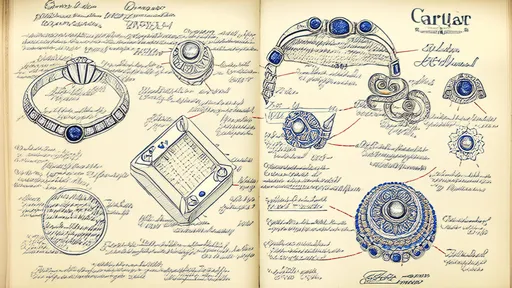
In the hushed halls of auction houses and the private vaults of collectors, a quiet revolution has been unfolding. The spotlight, traditionally reserved for glittering gemstones and masterfully crafted jewels, is increasingly shifting towards something far more humble in appearance yet profound in significance: the original design drawing. Nowhere is this phenomenon more evident than in the growing reverence for the archival drawings of Cartier, a house synonymous with the very pinnacle of luxury and design innovation. These are not mere sketches; they are the sacred blueprints of beauty, the first physical manifestation of a creative vision that would go on to define eras and captivate royalty.
Jewelry

Archaeological Discoveries of Jewelry: How to Reconstruct Ancient Aesthetics and Craftsmanship from Funerary Objects?

By /Aug 27, 2025

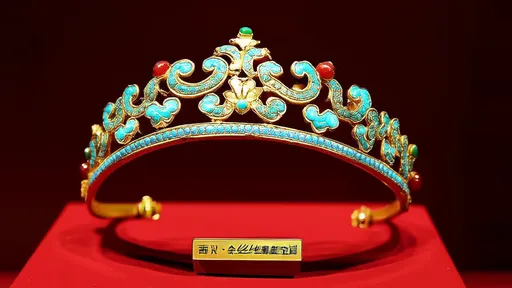
In the silent chambers of ancient tombs, where time stands still and whispers of forgotten civilizations linger, archaeologists often uncover more than just skeletal remains. Among the dust and decay, there lies a glittering testament to human creativity and cultural expression: jewelry. These artifacts, meticulously crafted and placed alongside the deceased, serve as portals through which we can glimpse the aesthetic sensibilities and technical prowess of bygone eras. The study of funerary jewelry is not merely an exercise in cataloging precious objects; it is a profound journey into the hearts and minds of ancient peoples, revealing what they cherished, how they perceived beauty, and the remarkable skills they employed to immortalize their values in metal, stone, and glass.
Jewelry

Pendant Boxes of the Renaissance: Containers for Memories and Faith"

By /Aug 27, 2025

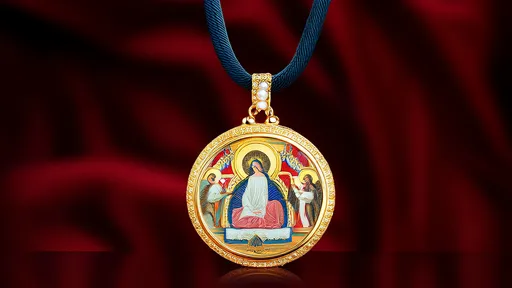
In the dimly lit chambers of Renaissance Europe, a quiet revolution was unfolding not on canvases or in chapels, but in the palms of noblewomen and merchants alike. The pendant, often dismissed as mere ornamentation, emerged as a profound vessel of memory, faith, and identity. These small, intricate containers—crafted from gold, silver, or enamel—were far more than decorative baubles; they were portable repositories of the soul, bridging the earthly and the divine in an age of seismic cultural shift.
Jewelry

Art Nouveau Jewelry's Naturalism: Why the Obsession with Dragonflies, Women, and Orchids?

By /Aug 27, 2025

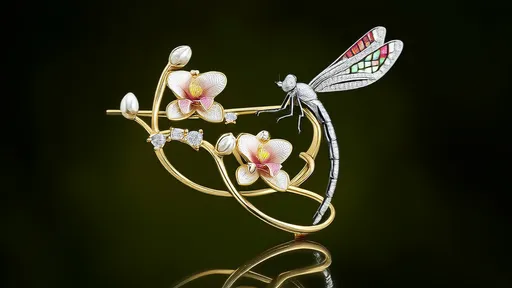
The Art Nouveau movement, which flourished between 1890 and 1910, represented a radical departure from the rigid historicism and industrial aesthetic of the 19th century. In the realm of jewelry, this translated into a breathtakingly new visual language, one that sought to break down the barriers between art and craft, and between the natural world and the wearable object. This was not mere decoration; it was a philosophy worn on the body. At the heart of this philosophy lay a profound and multifaceted obsession with three central motifs: the dragonfly, the female form, and the orchid. These were not arbitrary choices but deeply symbolic elements that together articulated the movement's core ideals of organic beauty, sensuality, and a yearning for a more spiritual, integrated existence.
Jewelry

Victorian Era Acrostic Jewelry": A Romantic Cipher

By /Aug 27, 2025

In the hushed drawing rooms of the Victorian era, where courtship was a carefully choreographed dance of subtle glances and veiled meanings, a unique and deeply personal form of jewelry emerged as a silent messenger of the heart. Acrostic jewelry, a brilliant and poetic innovation, transformed precious stones into a secret alphabet, allowing sentiments too intimate for public declaration to be worn proudly, yet discreetly, upon the person. This was not merely adornment; it was a wearable cryptogram, a declaration of love, friendship, or remembrance encoded in the very language of gems.
Jewelry

The Evolution of Tiara Etiquette: From Courtly Traditions to Modern Weddings in Europe

By /Aug 27, 2025

Throughout the centuries, the European tiara has remained one of the most potent symbols of aristocracy, grace, and ceremonial tradition. Its journey from the exclusive domain of royal courts to its presence in modern wedding celebrations reveals a fascinating evolution of both style and social significance. What was once a marker of sovereign power and noble birth has gradually transformed into an accessory of choice for brides seeking to imbue their special day with a sense of historic grandeur and timeless elegance.
Jewelry

Pearl Harvesting Livestreams: Entertainment Consumption or a New Jewelry Sales Model?"

By /Aug 27, 2025

In the vast digital marketplace where trends emerge and vanish with the swipe of a thumb, a peculiar new phenomenon has taken root: the live-streamed pearl hunt. Viewers from around the globe now tune in, not to watch gaming streams or cooking shows, but to witness the slow, suspenseful cracking open of oysters and mussels, each one a potential treasure chest hiding lustrous pearls. This practice, which blurs the lines between entertainment, consumerism, and the ancient jewelry trade, has sparked a fascinating debate. Is this merely a novel form of interactive leisure, or are we witnessing the birth of a revolutionary, digitally-native sales model for the gem industry?
Jewelry

Capsule Collection Marketing in Luxury Brands: The Application of Fast Fashion Strategy

By /Aug 27, 2025

In the ever-evolving landscape of luxury retail, a fascinating trend has emerged that marries the exclusivity of high-end jewelry with the rapid, trend-driven ethos of fast fashion. Jewelry brands, both heritage houses and contemporary labels, are increasingly adopting the "capsule collection" model—a strategy long perfected by fast-fashion giants. This approach, characterized by limited-edition, thematic releases, is reshaping consumer expectations, production cycles, and marketing narratives in an industry traditionally defined by permanence and timelessness.
Jewelry

Genderless Design in Men's Jewelry: Lines and Gems Breaking the Boundaries of Masculinity and Femininity"

By /Aug 27, 2025

In the ever-evolving landscape of fashion, a quiet revolution is reshaping the contours of men's jewelry. The concept of unisex design has moved from niche trend to mainstream movement, challenging long-held notions of masculinity and femininity in adornment. No longer confined by rigid gender binaries, contemporary men's jewelry embraces a fluid aesthetic that celebrates individuality over convention. This shift isn't merely about marketing—it's a cultural reckoning with how we express identity through what we wear.
Jewelry

Live at the Pearl Auction: The Journey to Sale of a Top-Tier Australian White Pearl Necklace

By /Aug 27, 2025

The air in the pearl auction hall was thick with a silent, electric tension. Under the precisely calibrated lights, a single strand of South Sea pearls lay coiled on a bed of black velvet, its luminescence seeming to defy the very shadows around it. This was not merely an item for sale; it was the day's protagonist, a necklace of such caliber that it had drawn the world's most discerning collectors and dealers to this very room. Its journey to the podium was one of years, and its journey from it would be measured in the frantic, breathless seconds of competitive bidding.
Jewelry

Adding Sparkle to Everyday Outfits: The Secret to Making Small Jewelry the Core of Your Look

By /Aug 27, 2025

In the ever-evolving world of fashion, where trends come and go with the seasons, there exists a quiet yet powerful revolution taking place right at the necklines, wrists, and ears of the style-conscious. It’s a movement not led by bold, statement-making pieces that shout for attention, but by the subtle, sophisticated whispers of small-scale jewelry. These delicate treasures—dainty necklaces, slim rings, elegant studs, and fine chains—are steadily claiming their rightful place as the core of modern personal style. They are no longer mere accessories added as an afterthought; they have become the very heart of a well-curated outfit, the secret weapon in the arsenal of those who understand that true style often speaks softest.