When it comes to athletic performance and safety, the question of whether to wear jewelry during exercise often sparks debate among fitness enthusiasts and professionals alike. The answer isn't as straightforward as one might think, varying significantly across different sports and activities. While some athletes swear by their lucky charms or find certain pieces functional, others have experienced firsthand how jewelry can become a serious hazard during physical exertion.
Understanding the risks and benefits requires examining the specific demands of each activity. Contact sports present entirely different concerns than solo activities like running or yoga. The type of jewelry matters tremendously too—a smooth wedding band poses far less risk than a dangling necklace or large hoop earrings. Beyond immediate safety concerns, there are practical considerations about equipment compatibility, hygiene issues, and even the potential damage to valuable pieces during intense sweating or movement.
Weightlifting and strength training present unique challenges for jewelry wearers. Rings can become dangerous during barbell exercises where bars might press metal against fingers, potentially causing circulation issues or even degloving injuries in extreme cases. Wristwear like bracelets or watches can interfere with proper wrist positioning during lifts and may scratch or damage equipment surfaces. Many serious lifters opt for minimal jewelry or specialized fitness trackers designed to withstand heavy training while providing useful metrics.
Running and endurance sports athletes often debate the pros and cons of jewelry. While lightweight pieces typically don't hinder performance, anything that bounces or swings can become annoying over long distances. Necklaces may chafe against collarbones, bracelets can trap sweat and irritate skin, and rings might cause swelling in fingers during longer runs as hands naturally expand. However, many runners comfortably wear slim fitness trackers, smooth wedding bands, or small stud earrings without issues.
For court sports like basketball, volleyball, or tennis, jewelry generally poses more risks than benefits. The rapid changes of direction, jumping, and potential for body contact create situations where jewelry can catch on clothing, equipment, or other players. Finger injuries become more likely when wearing rings during ball-handling sports. Most organized leagues explicitly prohibit jewelry during competition for these safety reasons, though recreational players sometimes make exceptions for small, secure items.
Water sports introduce additional considerations beyond typical athletic concerns. Salt water and chlorine can damage certain metals and stones, while loose jewelry might slip off unnoticed in open water. Surfers, swimmers, and divers need to consider how jewelry might interact with equipment like wetsuits, goggles, or safety gear. Nevertheless, many water athletes wear specialized waterproof fitness trackers or silicone rings designed specifically for aquatic environments.
Combat sports and martial arts present perhaps the clearest case against jewelry wear. The combination of impact, close contact, and gripping movements makes any jewelry potentially dangerous to both wearers and training partners. Rings can cut opponents during grappling, necklaces might break during throws, and even small earrings can cause problems when heads clash. Most dojos and training facilities maintain strict no-jewelry policies for obvious safety reasons.
For yoga and pilates practitioners, jewelry concerns lean more toward comfort than safety. While generally low-risk activities, certain poses can make jewelry uncomfortable or distracting. Bracelets might dig into wrists during plank poses, necklaces can dangle in faces during inversions, and rings may feel restrictive during hand stretches. Many yogis choose to wear minimal, meaningful pieces that enhance rather than distract from their practice.
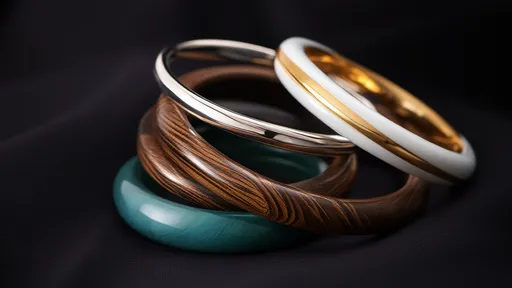
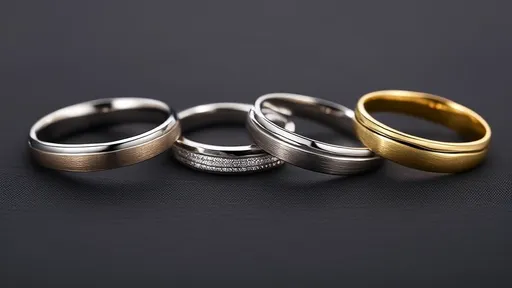
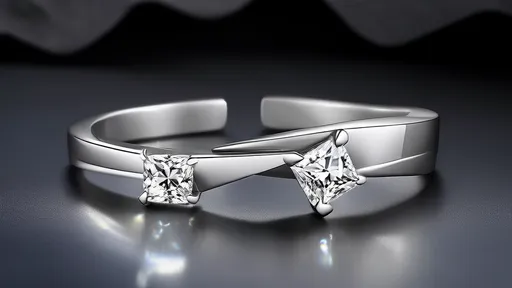
The material composition of jewelry significantly impacts its suitability for sports. Traditional metals like gold and silver may bend, scratch, or react with sweat, while newer materials like titanium, silicone, or surgical steel offer durability and hypoallergenic properties. Athletes should consider how materials interact with their skin during prolonged sweating and whether certain metals might cause discoloration or irritation when combined with perspiration.
Beyond physical safety, hygiene represents another important consideration. Jewelry can trap sweat, bacteria, and dirt against the skin, potentially leading to infections or skin irritations. Pieces with intricate designs or stones may harbor germs even after cleaning. Regular thorough cleaning becomes essential for athletes who choose to wear jewelry during workouts, particularly for items that directly contact skin.
Psychological factors sometimes outweigh practical concerns for athletes. Many competitors wear meaningful jewelry as talismans or reminders of personal motivations. The psychological boost from wearing a significant piece might enhance performance more than any minor physical inconvenience detracts from it. Each athlete must balance these personal factors against the practical realities of their sport.
Ultimately, the decision to wear jewelry during exercise remains highly personal but should be informed by understanding the specific risks of each activity. Athletes might consider compromising with sport-specific jewelry—silicone rings for weightlifting, secure studs for running, or waterproof trackers for swimming. The most important factor remains prioritizing safety while respecting personal preferences and the rules of specific sports organizations.
As fitness trends evolve and jewelry design becomes more athletic-friendly, we're seeing increased options for athletes who want to accessorize safely. From breakaway designs that prevent injury to smart jewelry that enhances training, the market continues developing solutions that bridge the gap between style and function. Meanwhile, the oldest rule still applies: when in doubt, take it out.
By /Aug 27, 2025

By /Aug 27, 2025
By /Aug 27, 2025

By /Aug 27, 2025
By /Aug 27, 2025

By /Aug 27, 2025

By /Aug 27, 2025
By /Aug 27, 2025
By /Aug 27, 2025
By /Aug 27, 2025
By /Aug 27, 2025
By /Aug 27, 2025
By /Aug 27, 2025
By /Aug 27, 2025

By /Aug 27, 2025
By /Aug 27, 2025
By /Aug 27, 2025
By /Aug 27, 2025
By /Aug 27, 2025
By /Aug 27, 2025
